
Table of Contents
- Watt Towing vs Barnetts Towing: Service Overview
- Service Types and Capabilities
- Standard Heavy-Duty Towing Rates and Pricing
- Response Times and Service Availability
- Questions to Ask Before Hiring a Towing Company
- Signs of Predatory Towing and How to Protect Yourself
- Which Towing Service Should You Choose
- Frequently Asked Questions
Last Updated: October 17, 2026
Watt Towing vs Barnetts Towing: Service Overview
When your vehicle breaks down on the highway or gets damaged in an accident, choosing the right towing company matters. Watt Towing vs Barnetts Towing represents a critical decision for vehicle owners, fleet managers, and dealerships across the region. Both providers operate in the heavy-duty towing space, but they differ significantly in their service scope, response capabilities, and equipment standards.
The question isn’t just about getting your vehicle moved, it’s about whether it arrives safely, on time, and without hidden charges. At Fox Recovery, we’ve analyzed what separates a reliable towing partner from one that leaves you stranded or surprised by costs. This guide walks you through the key differences between these two providers so you can match your situation to the right service.
Service Types and Capabilities
Light-Duty and Heavy-Duty Towing
Light-duty towing handles standard passenger vehicles, typically up to 10,000 pounds. Heavy-duty towing covers trucks, buses, and tractor-trailers that demand specialized equipment and operator expertise.
Watt Towing offers both service types with a focus on medium-duty vehicles. Their equipment handles most commercial trucks effectively, but their specialty lies in quick roadside response for breakdowns rather than complex recovery situations.
Barnetts Towing emphasizes heavy-duty capacity. Their fleet includes dedicated equipment for large commercial vehicles, making them the stronger choice if you operate buses or full-size tractor-trailers regularly. They’ve built their reputation on handling the vehicles other companies hesitate to touch.
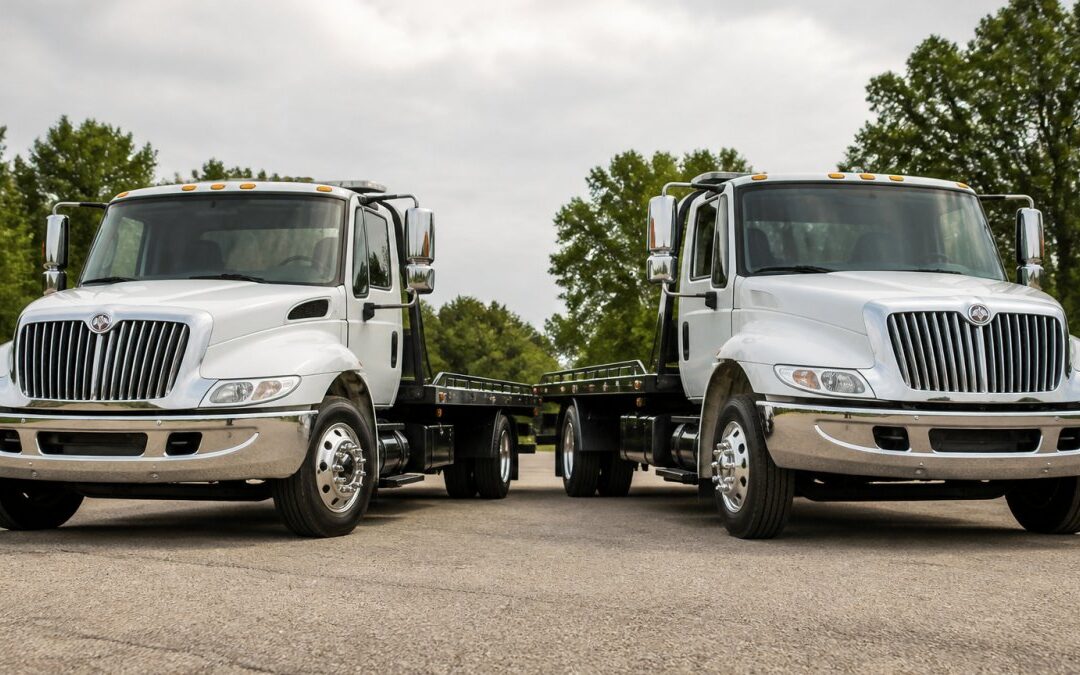
Fox Recovery operates across the full spectrum. Our state-of-the-art 19-foot and 21-foot flatbeds accommodate everything from luxury vehicles requiring white-glove handling to medium and heavy-duty trucks. We’re fully certified and licensed to manage high-value vehicles for showrooms and museums, a capability that matters if your inventory includes specialty or collector cars.
The practical difference: if your fleet runs standard commercial trucks, either provider works. If you need consistent support for heavy-duty vehicles or high-value inventory, equipment quality and operator certification become the deciding factors.
Specialty Recovery and Vehicle Transport
Specialty recovery includes pulling vehicles from ditches, accident scenes, and difficult terrain. Vehicle transport means moving cars long distances on flatbed trucks, often for dealerships or fleet relocations.
Watt Towing handles standard recovery scenarios competently. Their experience covers typical roadside situations, but they’re less equipped for complex extractions or multi-vehicle recoveries.
Barnetts Towing has stronger specialty recovery credentials. They maintain dedicated recovery equipment and train operators specifically for difficult scenarios. This matters if your vehicles end up in non-standard situations, off-road recovery, accident scene extraction, or vehicles stuck in tight spaces.
Fox Recovery specializes in both. Our expertise in handling high-value vehicles for showrooms means we’ve developed rigorous protocols for safe transport and recovery. We manage multiple-point inspections before and after transport, ensuring vehicles arrive exactly as they left. This isn’t just about moving cars, it’s about maintaining custody and control throughout the process, which dealerships and fleet managers require.
Standard Heavy-Duty Towing Rates and Pricing
Heavy-duty towing costs vary by distance, vehicle type, and service complexity. Most providers charge a base fee for the first few miles, then add per-mile rates for longer distances.
What drives the base fee: The base fee (sometimes called a hook-up or call-out fee) covers dispatch, equipment mobilization, and the first few miles.
Per-mile charges: After the initial included mileage, per-mile rates apply. For heavy-duty towing, per-mile charges depend on the vehicle’s weight and the equipment required.
After-hours and weekend surcharges: Both Watt Towing and Barnetts Towing operate 24/7, but after-hours calls often carry a surcharge on top of the standard rate. Ask each provider whether their 24-hour dispatch includes a premium and how it’s calculated.
Recovery surcharges: If your vehicle is in a ditch, off-road, or involved in an accident, recovery surcharges apply. These are often quoted as an hourly rate for the recovery portion or as a flat fee based on complexity.
Factors that change the quote: Vehicle weight and size, distance, time of day, weather conditions, accessibility of the vehicle (highway shoulder vs. off-road), and whether the vehicle is operable all affect the final price.
How to compare quotes fairly: Ask each provider for an itemized quote that breaks down the base fee, included mileage, per-mile rate, after-hours surcharge, and any recovery or specialty equipment fees.
Before you commit, call both Watt Towing and Barnetts Towing with the same set of details: vehicle type, weight, location, destination, and time of day. Compare the itemized quotes line by line. If a provider won’t itemize, that’s a red flag.
For current pricing and a quote tailored to your needs from Fox Recovery, contact us directly at (847) 587-6076. We’re transparent about what drives costs up or down, and we work with fleet managers and dealerships to build predictable pricing structures for regular service.
Response Times and Service Availability
Response time separates adequate towing from reliable towing. A 30-minute wait on a highway is manageable. A two-hour wait during winter weather or rush hour becomes a problem.
Stated availability: Both Watt Towing and Barnetts Towing advertise 24-hour dispatch, seven days a week. That means you can reach a dispatcher at any hour. But 24-hour dispatch does not guarantee 24-hour response with the same speed or equipment.
Response time claims: Watt Towing states standard response times for the region, depending on location and traffic. Barnetts Towing claims faster response in their core service area for standard situations, because their dispatch system prioritizes nearby calls.
Coverage by location: Response time is only meaningful if the provider actually covers your location. Watt Towing serves a broad region but may have longer drive times to rural or outlying areas.
Equipment positioning: A provider with equipment staged near major highways and industrial corridors will generally respond faster than one dispatching from a single central lot.
What to ask when you call: When you request service, ask the dispatcher for an estimated arrival time and whether that estimate includes the time to mobilize specialized equipment.
Response time estimates given over the phone are not guarantees. If you’re in a safe location, ask for the dispatcher’s name and a callback number. If you’re in a dangerous location (highway shoulder, accident scene), prioritize your safety and call 911 first if needed.
The practical difference: If you’re stranded on a major highway during business hours, all three providers respond reasonably fast. If you break down at 2 AM on a rural road or during severe weather, response time becomes the difference between an inconvenience and a crisis. The provider that answers the phone quickly, gives you a realistic estimate, and has heavy-duty equipment staged nearby is the one you want.
Fox Recovery operates 24 hours a day, 365 days a year with a commitment to prompt service. We maintain strategically positioned equipment across our service area to minimize wait times.
Questions to Ask Before Hiring a Towing Company
Before committing to any towing service, ask these questions:
Are your operators fully certified and licensed? This isn’t optional. Certified operators understand vehicle dynamics, load securing, and equipment limits. They know what they can and cannot safely tow.
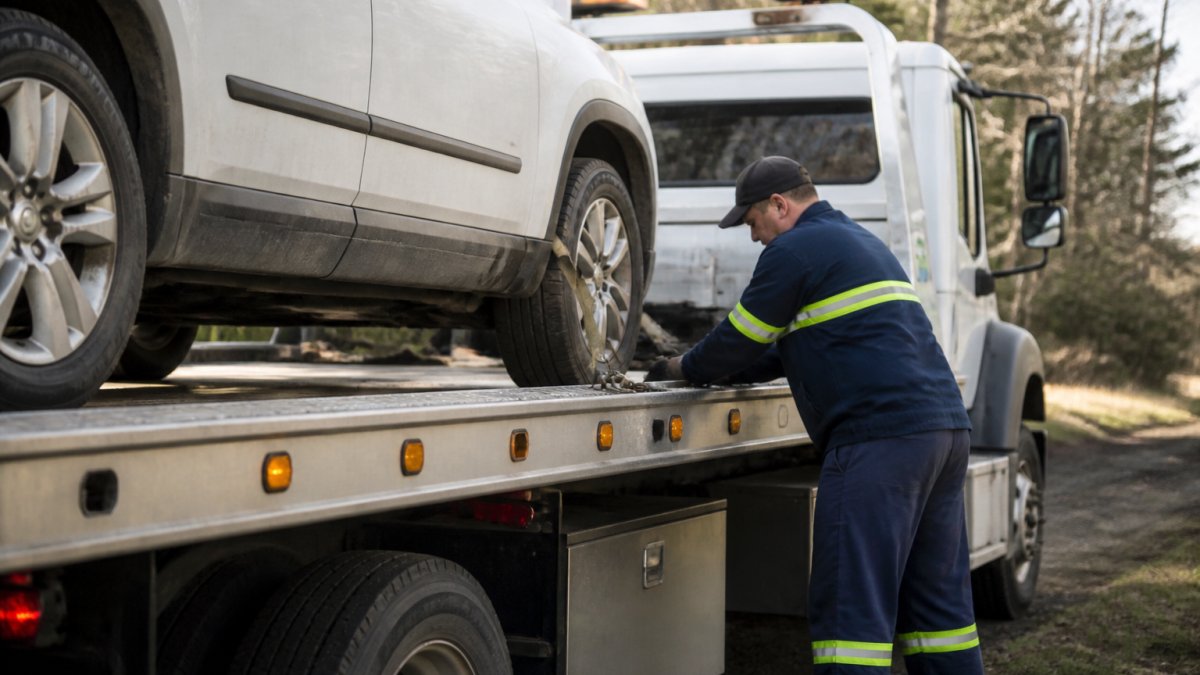
What equipment do you use for heavy-duty vehicles? Flatbed capacity matters. Wheel-lift towing damages drivetrains on many commercial vehicles. Flatbeds protect the vehicle.
What’s your response time guarantee? Get a specific number, not “as soon as possible.” Know what you’re paying for.
Do you handle specialty recovery, or just standard towing? If your situation might involve recovery, confirm they have the equipment and training.
What’s included in your base fee versus what costs extra? Hidden charges emerge from vague pricing. Get clarity upfront.
Can you provide references from fleet managers or dealerships? Real customers reveal how a company actually operates under pressure.
Do you offer fleet accounts or preferred pricing? If you need regular service, ask about volume discounts or service agreements.
What’s your damage policy? How do they handle claims if something goes wrong during transport?
These questions separate professional operators from ones cutting corners. A company that answers clearly and confidently is one you can trust with your vehicles.
Signs of Predatory Towing and How to Protect Yourself
Predatory towing practices exploit vehicle owners in vulnerable situations. Know the warning signs.
Unsolicited towing: A tow truck arriving without you calling for service is a red flag. Legitimate operators respond to calls, not scout accident scenes.
Pressure to sign documents immediately: Professional towing companies explain what you’re signing. Pressure tactics indicate they’re hiding something.
Refusal to provide itemized invoices: Legitimate charges are documented. Vague billing or cash-only payments suggest inflated costs.
Towing to distant, unfamiliar shops: Some predatory operators tow vehicles to repair shops that kickback commissions. You lose control of where your vehicle goes.
Storage fees that spike daily: Storage charges should be reasonable and clearly disclosed upfront. Sudden escalations trap you into paying inflated amounts.
Refusing to release your vehicle until payment clears: Licensed towing companies hold vehicles legally only under specific conditions. Unlawful holds are illegal.
No verifiable business license or insurance: Check with your state’s regulatory body. Legitimate operators maintain current licensing and liability coverage.
To protect yourself: call your preferred towing company directly rather than accepting unsolicited service. Get everything in writing before signing. Verify licensing and insurance. If something feels wrong, it probably is.
Which Towing Service Should You Choose
Choosing between Watt Towing and Barnetts Towing depends on your specific situation.
Choose Watt Towing if: You need standard heavy-duty towing for commercial vehicles, you prioritize quick response in urban areas, and your situations rarely involve complex recovery.
Choose Barnetts Towing if: You operate large fleets of heavy-duty vehicles, you need specialty recovery capability, and you’re willing to pay premium rates for specialized expertise.
Choose Fox Recovery if: You need reliable, certified service for high-value vehicles, you require consistent 24/7 availability with prompt response, you operate mixed fleets including specialty vehicles, or you need a partner who treats your vehicles with rigorous inspection protocols. Our state-of-the-art flatbed equipment, fully certified operators, and commitment to safe transport make us the choice for businesses where vehicle condition and reliability matter most.
The real decision isn’t about choosing the cheapest option, it’s about matching your needs to the provider’s actual capabilities. A fleet manager running expensive commercial trucks needs different service than a private vehicle owner needing occasional roadside assistance.
Frequently Asked Questions
What should I ask a towing company before agreeing to a tow?
Before hiring, confirm the company is fully licensed and insured. Ask about their response time estimate, exact pricing structure (per-mile rates, loading fees, minimum charges), and whether they handle your vehicle type. Request proof of certification and ask if they offer 24-hour service. Verify they use appropriate equipment for your vehicle’s weight and value. Get a written quote or confirmation of all charges before the tow begins.
What are signs of a predatory towing service?
Red flags include refusing to provide pricing upfront, pressuring you to authorize payment immediately, charging excessive per-mile rates or surprise fees, lacking proper licensing or insurance documentation, and using aggressive sales tactics. Avoid companies that show up unsolicited or direct you to specific repair shops. Legitimate towing services are transparent about costs, respond to questions professionally, and never coerce customers into unwanted services or destinations.
How do standard heavy-duty towing rates compare between providers?
Heavy-duty towing costs typically depend on distance, vehicle weight, equipment needed, and service complexity. Most providers charge per-mile rates after an initial service fee or loading charge. Request quotes from multiple towing companies for your specific situation rather than relying on estimates. Factors like flatbed type, recovery difficulty, and time of day can significantly affect the final cost. Always get pricing confirmed in writing before service begins.
How can I confirm a towing company’s estimated arrival time and total cost?
Ask for an estimated dispatch time when you call. Request a detailed breakdown of all charges: service fee, per-mile rate, loading fee, and any specialty recovery costs. Get this in writing or have them repeat it clearly. Confirm the exact vehicle location and destination. Ask about their tracking system and whether you can receive updates. If costs exceed the initial quote, request written explanation before paying. Always verify the company’s licensing and insurance before the tow.
When your vehicle needs moving, you deserve a towing partner who shows up fast, handles your vehicle carefully, and explains costs upfront. Fox Recovery delivers exactly that. Our fully certified and licensed operators use state-of-the-art flatbed equipment to ensure safe transport, whether you’re managing a fleet breakdown or moving a high-value vehicle. Available 24/7, we’re built for the situations that matter most. Call (847) 587-6076 to discuss your towing needs and get a transparent quote.