
Table of Contents
- Understanding What Constitutes an Abandoned Commercial Vehicle
- Private Property Towing Laws and Your Rights as a Property Owner
- Notice Requirements for Towing Abandoned Trucks
- Step-by-Step Legal Checklist for Commercial Property Owners
- Towing Company Liability for Abandoned Vehicles
- Insurance and Risk Management for Commercial Towing
- Common Mistakes to Avoid
- Frequently Asked Questions
Last Updated: October 3, 2026
Understanding What Constitutes an Abandoned Commercial Vehicle
An abandoned commercial vehicle is a truck, bus, or other commercial motor vehicle left on private property without the owner’s permission and with no reasonable expectation of retrieval. Understanding the process of towing abandoned commercial vehicles is essential for property owners seeking legal compliance. The vehicle must remain unattended for a specific period defined by state or local ordinance, typically ranging from 24 hours to 30 days depending on jurisdiction.
The key distinction is intent. A vehicle parked temporarily while the driver handles business is not abandoned. A vehicle left for weeks with flat tires, expired registration, and no contact from the owner is. Local municipal codes define the exact threshold for your area.
We work with property managers and commercial lot owners to navigate these distinctions carefully. Misidentifying a vehicle’s status can lead to costly legal disputes.
What Makes a Vehicle “Abandoned”
Several factors determine abandonment status:
- The vehicle has remained stationary for the statutory period
- No one has claimed or moved the vehicle
- The owner cannot be identified or located
- The vehicle poses a public safety hazard or blocks access
- Local police have not claimed it as evidence in an investigation
Some jurisdictions also consider inoperable vehicles (missing wheels, broken windows, extensive rust) as abandoned even if the timeframe hasn’t elapsed. Check your local municipal code for specific language.
Private Property Towing Laws and Your Rights as a Property Owner
Your rights to remove a vehicle from your private property depend on state law and local ordinances.
Most states recognize property owner rights to remove vehicles, but only under strict conditions. You must follow notice requirements, wait periods, and documentation procedures. Failure to comply can expose you to liability claims and damages.
Key legal protections for property owners:
- Right to post “No Trespassing” or “Authorized Parking Only” signs
- Right to remove vehicles after proper notice and waiting period
- Protection from liability if you follow statutory procedures correctly
- Right to charge towing and storage fees to the vehicle owner
However, property owner rights have limits. You cannot tow a vehicle based on suspicion alone. You cannot remove a vehicle during the statutory notice period.
The distinction between nonconsensual towing (towing without owner permission) and legal removal is critical. Nonconsensual towing is illegal unless you follow every procedural requirement.
Notice Requirements for Towing Abandoned Trucks
Before towing abandoned commercial vehicles from your property, you must provide written notice to the vehicle owner. This is not optional. It is a statutory requirement that protects both you and the vehicle owner.
The notice must meet specific content requirements and be delivered through approved methods. The waiting period after notice varies by state but typically ranges from 24 hours to 30 days.
Written Notice Content and Delivery Methods
Your written notice must include specific information to be legally valid. Generic notices are insufficient and may not protect you from liability.
Required notice content:
- Your name and property address
- Description of the vehicle (make, model, color, license plate, VIN if visible)
- Date the vehicle was first observed on your property
- Statement that the vehicle will be towed if not removed by a specific date
- Time and location where the vehicle will be towed
- Name and phone number of the towing company
- Statement of vehicle owner’s right to claim the vehicle before towing
- Your contact information for questions
The notice must be clear, legible, and written in plain language. Overly technical or vague notices may not satisfy statutory requirements.
Approved delivery methods vary by jurisdiction:
- Attached to the vehicle’s windshield or door
- Posted on the property in a conspicuous location
- Mailed to the registered owner (if address can be determined)
- Delivered personally to the owner (if located)
- Published in a local newspaper (for vehicles where owner cannot be identified)
Most jurisdictions accept physical notice attached to the vehicle as the primary method. If you can identify the owner through the vehicle’s registration, mailing notice provides additional legal protection.
Documentation and Record-Keeping
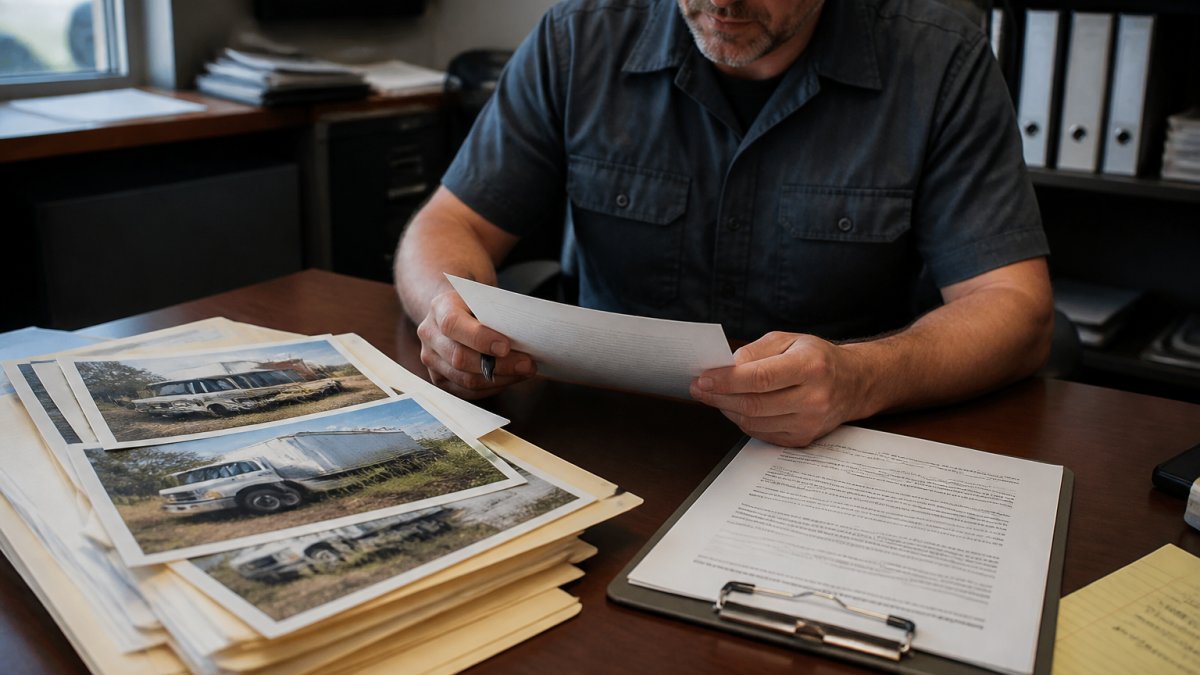
Document every step of the abandonment process. This documentation protects you if the vehicle owner later disputes the towing or claims damages.
Records you must maintain:
- Date photographs of the vehicle’s condition and location
- Copies of all written notices posted or mailed
- Delivery proof (photos showing notice on vehicle, certified mail receipts)
- Records of any contact attempts with the vehicle owner
- Dates and times of property inspections
- Communication with local police or parking enforcement
- Towing authorization documents signed by you
- Towing company receipt and invoice
- Chain of custody documentation from the tow operator
Keep these records for at least two years. They become critical evidence if the vehicle owner files a lawsuit claiming improper removal or damage.
Step-by-Step Legal Checklist for Commercial Property Owners
Following a clear process protects you legally and ensures compliance with local ordinances. Skip steps or rush the process, and you risk liability exposure.
Step 1: Verify Abandonment Status
Before taking any action, confirm the vehicle is actually abandoned under your jurisdiction’s definition.
- Check local municipal code for the statutory abandonment period
- Photograph the vehicle from multiple angles with date and time stamps
- Record the vehicle’s condition (flat tires, broken windows, expired tags)
- Note the exact date you first observed the vehicle on your property
- Verify the vehicle has not moved between observation dates
- Check if local police have placed any notices on the vehicle
- Confirm the vehicle is not part of an active police investigation
Do not assume abandonment based on appearance alone. A vehicle with flat tires might be awaiting repair. A vehicle with expired tags might belong to someone in the hospital. Verify the statutory abandonment period has actually elapsed.
Step 2: Attempt Owner Contact
If you can identify the vehicle owner, contact them directly before proceeding with towing.
- Run the license plate through your state’s Department of Motor Vehicles (if you have authorized access)
- Check for visible registration documents inside the vehicle (visible through windows only)
- Contact local police non-emergency line to request owner information
- Post a notice on the vehicle asking the owner to contact you within 24-48 hours
- If you locate the owner, send a certified letter requesting vehicle removal within the statutory period
Direct contact often resolves the situation without towing. The owner may not realize their vehicle was left on your property. They may arrange immediate removal once notified.
Document all contact attempts. If you later proceed with towing, this documentation proves you made good-faith efforts to resolve the matter.
Step 3: Post Written Notice
Post formal written notice on the vehicle and your property. This notice must comply with your local ordinance requirements.
- Use the required notice format specified in your municipal code
- Include all mandatory content elements listed in your jurisdiction
- Post the notice on the vehicle’s windshield or driver’s door
- Take photographs showing the notice clearly visible on the vehicle
- Record the exact date and time notice was posted
- Keep a copy of the notice for your records
- Post additional notice on your property if required by local law
The notice is your formal declaration that the vehicle will be towed if not removed. It creates the legal record that the owner received proper warning.
Step 4: Wait the Statutory Period
Do not tow before the required waiting period expires. This period exists to give the owner a final opportunity to retrieve their vehicle.
- Verify the exact waiting period required by your local ordinance (typically 24 hours to 30 days)
- Count the days accurately from the date notice was posted
- Do not tow on weekends or holidays unless your ordinance permits it
- Continue monitoring the vehicle during the waiting period
- Document that the vehicle remained on your property throughout the period
- Take photographs on the final day before towing to show non-removal
Premature towing exposes you to significant liability. Even one day early can invalidate the entire process legally.
Step 5: Authorize Towing and Maintain Chain of Custody
Once the statutory period expires, you can authorize the towing company to remove the vehicle.
- Contact a licensed towing company with commercial vehicle experience
- Provide written authorization to the tow operator (not verbal authorization)
- Specify the vehicle’s location, make, model, and license plate
- Confirm the operator will photograph the vehicle before and after removal
- Ensure the operator maintains proper chain of custody documentation
- Request a signed receipt showing date, time, and vehicle condition
- Obtain the towing company’s business license number and insurance information
- Get the impound lot location and contact information for the vehicle owner
Chain of custody documentation proves the vehicle was handled properly and protects you from claims of damage or theft. Never allow informal towing arrangements.
Towing Company Liability for Abandoned Vehicles
The towing company you hire assumes responsibility for the vehicle once they begin removal.
A reputable towing company will request written authorization and verify your legal right to have the vehicle towed.
Ensure your towing company carries commercial liability insurance.
We require written authorization and verify statutory compliance before towing any abandoned vehicle.
The towing company’s liability extends to the vehicle’s condition during transport and storage.
Insurance and Risk Management for Commercial Towing
Your commercial property insurance may not cover liability related to vehicle removal.
Insurance considerations:
- General liability policies often exclude vehicle-related claims
- You may need additional coverage for property-related vehicle removal
- Document your compliance with all statutory requirements
- Maintain records proving you followed proper procedures
- Ensure your towing vendor carries adequate liability insurance
- Request indemnification language protecting you from the towing company’s negligence
A vehicle owner injured during towing might claim you are liable.
Proper documentation and statutory compliance reduce these risks significantly. A vehicle owner who cannot prove improper procedure has little basis for a lawsuit.
Consider adding an endorsement to your commercial property policy specifically covering vehicle removal liability. The cost is minimal compared to potential lawsuit exposure.
Common Mistakes to Avoid
Property owners frequently make errors that create legal liability and complicate the towing process.
Mistake 2: Towing before the statutory period expires. Impatience is costly.
Mistake 5: Inadequate documentation. Photographs, notice copies, and delivery proof are your legal protection.
Mistake 6: Storing the towed vehicle improperly. The impound lot must be secure and safe.
Removing an abandoned commercial vehicle from your property requires careful attention to legal procedures.
Frequently Asked Questions
How long does a commercial vehicle have to sit on private property before it’s legally considered abandoned?
Abandonment timelines vary by state and local ordinance, typically ranging from 24 hours to 30 days of continuous parking without permission or movement. Commercial vehicles may have different thresholds than passenger cars under municipal code. Check your local jurisdiction’s towing ordinance to determine the exact statutory period for your property. Once that period passes and you’ve issued proper written notice, you can authorize towing.
What documentation do I need to authorize towing of an abandoned commercial vehicle?
You’ll need proof of ownership or management of the property, a copy of the written notice posted on the vehicle, documentation of the notice delivery method and date, vehicle identification number (VIN) or license plate information, photographs showing the vehicle’s condition and location, and a signed authorization form for the towing vendor. Maintain a chain of custody record from the moment notice is posted through removal and impound lot delivery. This documentation protects you legally and demonstrates statutory compliance.
What are the liability risks when towing abandoned commercial vehicles?
Property owners face liability if vehicles are damaged during removal, if proper legal notice procedures weren’t followed, or if the vehicle removal was unauthorized. Towing company liability depends on whether they followed proper procedures and maintained adequate insurance coverage. Ensure your towing vendor carries comprehensive liability insurance and has experience with commercial motor vehicles. Document everything to demonstrate due process and reduce exposure to claims.
Do I need a court order to remove an abandoned commercial vehicle from my property?
Most jurisdictions do not require a court order for nonconsensual towing of abandoned vehicles on private property if you follow statutory notice procedures. However, some municipalities require law enforcement authorization or involvement. Contact your local police department or code enforcement office to confirm requirements in your area. Commercial vehicles may have different rules than passenger vehicles, so verify with your municipal code before proceeding.