
Table of Contents
- Why Vehicle Owners Switch From Ewing Bros
- Top Ewing Bros Alternatives for Heavy-Duty Towing
- How to Compare Alternatives by Operating Model
- Fox Recovery: 24/7 Certified Heavy-Duty Recovery
- AAA: National Roadside Assistance Network
- All City Towing: Commercial Fleet Specialists
- Affordable Towing: Local Budget-Conscious Option
- Honk: On-Demand Towing Without Membership
- Matching the Alternative to Your Vehicle Type
- Standard Heavy-Duty Towing Rates and What Drives Them
- Questions to Ask a Towing Company Before You Commit
- Towing Estimate Comparison: How to Spot Hidden Charges
- Verification of Insurance and Licensing: What Matters Most
- Frequently Asked Questions
Last Updated: October 6, 2026
Why Vehicle Owners Switch From Ewing Bros
Vehicle owners and fleet managers seeking an Ewing Bros alternative cite the same frustrations: unpredictable response times, unclear pricing, and limited transparency.
At Fox Recovery, we’ve worked with individual drivers and fleet managers across the region for years. Most people don’t shop for a towing company until they’re stranded, stressed, vulnerable, and willing to accept whatever terms are offered.
The real differentiator between towing providers isn’t the flatbed or the winch, it’s the operational philosophy. When your transmission fails on the interstate at 2 a.m., you’re asking: Will they show up? Will they explain what’s happening?
This guide walks you through what makes different towing providers different, and the specific questions you should ask before committing to any provider.
Top Ewing Bros Alternatives for Heavy-Duty Towing
Towing providers often fall into different operating models, membership networks, digital dispatch platforms, commercial fleet specialists, and independent certified recovery operators, each with a different cost structure, coverage footprint, and equipment ceiling. Which model fits your situation matters more than the brand name on the truck.
How to Compare Alternatives by Operating Model
Before you call anyone, identify which model matches your need:
- Independent certified recovery operators (Fox Recovery-style): Own fleet, own operators, 24/7 dispatch, heavy-duty and specialty capability. Best for high-value vehicles, fleets, and situations where you need a real person on the phone before dispatch.
Fox Recovery: 24/7 Certified Heavy-Duty Recovery
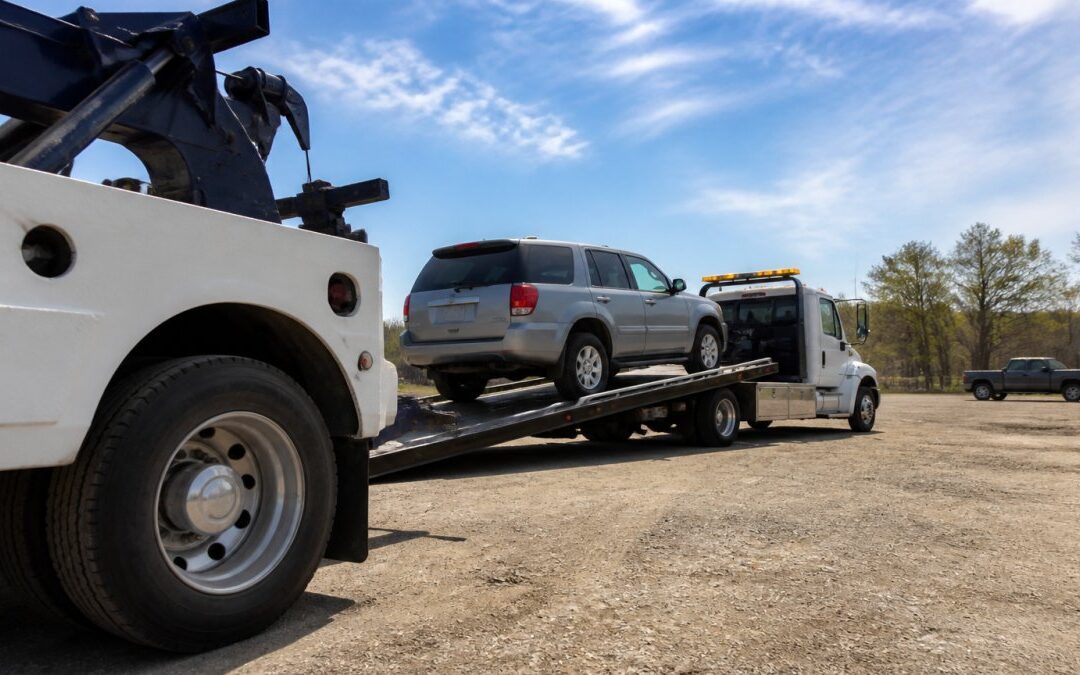
Fox Recovery operates 24/7, 365 days a year with fully certified and licensed tow operators. The company specializes in heavy-duty vehicles, buses, tractor-trailers, and medium-duty trucks, and handles high-value vehicles for showrooms and collectors with equal care.
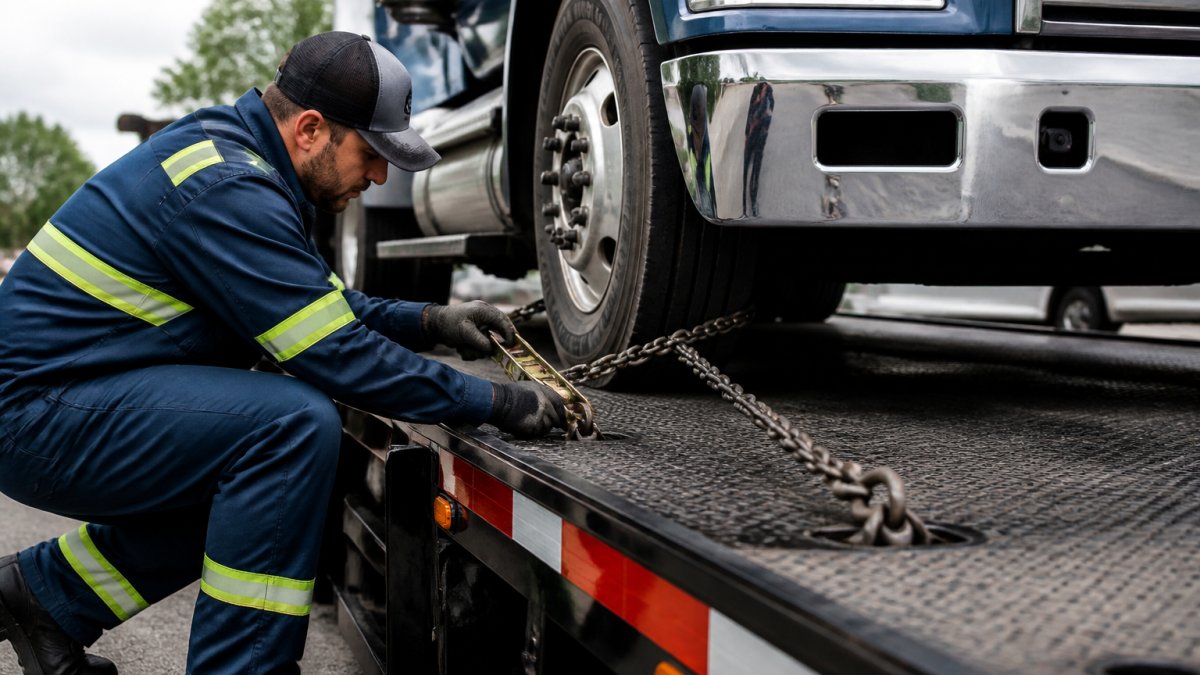
What separates Fox Recovery is the equipment and the operators behind it. The fleet includes 19-foot and 21-foot flatbeds designed for safe, damage-free transport, and every operator is certified, understanding drivetrain dynamics, weight distribution, and the difference between towing a sedan and securing a high-value specialty vehicle.
You get a real person on the phone, not an automated system. The operator explains what’s happening, provides a time estimate, and answers cost questions before dispatch, consistency fleet managers consider non-negotiable.
Fox Recovery’s core strength is reliability for heavy-duty and specialty vehicles. If you operate a fleet or own high-value vehicles, the certified expertise and 24/7 availability eliminate a major source of stress.
AAA: National Roadside Assistance Network
AAA membership provides access to a nationwide network of service providers, including towing. You pay an annual fee and receive a set number of free or discounted tow miles depending on your tier.
AAA works well for individual owners who want predictability and nationwide coverage, plus perks like travel discounts and insurance partnerships. The downside: mileage limits apply by tier, you’re dependent on whatever contractor is available locally, and overage beyond your covered miles is paid out of pocket at the contractor’s rate, not AAA’s.
For fleet operators or anyone regularly moving heavy-duty vehicles, AAA’s limitations become apparent quickly, it’s built for occasional breakdowns, not consistent operational support.
All City Towing: Commercial Fleet Specialists
All City Towing focuses on heavy-duty towing and recovery with specialized equipment for commercial accounts, handling private property impound, equipment transport, and 24/7 dispatch.
This provider is built for businesses with consistent towing needs and understands managing multiple vehicles across a service area. The trade-off: pricing isn’t published online and availability is limited to specific regions, so contact them for quotes and service area confirmation. Ask whether they offer account billing and net terms, the real advantage of a fleet specialist.
Affordable Towing: Local Budget-Conscious Option
Affordable Towing emphasizes cost-effectiveness for local residents needing standard passenger vehicle transport, offering flatbed options, lockout service, jump-starts, and emergency roadside support at competitive local rates.
This alternative makes sense for occasional light-to-medium duty towing at lower cost. The limitation: heavy-duty capabilities are limited and the service area is restricted to local metro zones, so if your needs exceed standard passenger vehicle transport, you’ll outgrow it quickly.
Honk: On-Demand Towing Without Membership
Honk is a digital platform connecting drivers with independent towing providers through a mobile app. There’s no membership, you pay per service with upfront pricing displayed before you confirm.
The appeal: no long-term commitment, transparent pricing, and real-time tracking. The limitation: Honk relies on third-party contractors, so availability depends on local network density. In rural areas or during peak demand, response times stretch, and because the platform doesn’t own the trucks, operator quality varies, which matters if you’re moving a vehicle you can’t afford to have damaged.
Matching the Alternative to Your Vehicle Type
Use this quick filter before you start calling:
| Your situation | Best-fit model | Why |
|---|---|---|
| Occasional sedan breakdown, want nationwide coverage | Membership network | Prepaid miles, broad footprint |
| One-off light-duty tow, want upfront price | Digital platform | Transparent per-service pricing |
| Recurring commercial volume, need account billing | Fleet specialist | Built for business accounts |
| Heavy-duty, specialty, or high-value vehicle | Certified independent operator | Own equipment, certified operators, 24/7 |
If your vehicle is heavy-duty, low-clearance, all-wheel drive, or high-value, the certified independent operator model is often the best choice, where the same company owns the truck, employs the operator, and controls response time end to end.
Standard Heavy-Duty Towing Rates and What Drives Them
Understanding what influences towing costs helps you evaluate quotes and spot hidden charges. How a provider structures those factors tells you more than the total number does.
Distance matters most. A five-mile tow costs less than a fifty-mile tow because fuel, operator time, and equipment wear scale with distance.
Vehicle type directly affects pricing. Heavy-duty vehicles cost more because they require specialized flatbeds, experienced operators who understand weight distribution, and sometimes winches for recovery.
Time of day and day of week influence availability and cost. A 2 a.m. Sunday call costs more than a 2 p.m.
A Line-by-Line Framework for Comparing Quotes
Most people compare quotes by the bottom number, but two providers can quote the same total and deliver very different value. Instead, itemize every quote into the same components and compare column by column:
- Base fee, what does it cover, and how many miles are included?
- Per-mile rate, what does it apply to, and does it start at the lot or after the threshold?
- After-hours surcharge, flat fee or percentage? Does it apply to the whole bill or just the base?
- Equipment surcharge, flatbed, winch, dolly, or specialty rigging. Is it included or added?
- Recovery fee, what triggers it, and is it quoted before dispatch or after arrival?
- Payment fees, card surcharge, cash discount, or account-billing terms.
- Fuel or environmental fee, some providers add this; ask if it’s fixed or variable.
A provider who won’t itemize is hiding something. One who itemizes without being asked expects to be compared.
Build a one-page comparison sheet with those seven rows and fill it in for every provider you call. After three calls, the pattern becomes obvious, and the provider with the cleanest line items is usually the one with the fewest surprises on the final bill.
What a Fair Quote Looks Like
A fair quote names the total, breaks it into the components above, states what triggers conditional fees, and confirms the equipment being dispatched. A single number with no breakdown is a starting point, not a final price. If you get a range, ask what the top depends on, the answer should be a specific condition, not a shrug.
The most common hidden charge is the “recovery fee” added when a vehicle can’t be towed using standard equipment. Ask explicitly whether your scenario requires recovery equipment and what that costs. A provider who doesn’t mention it upfront until the bill arrives is operating in bad faith.
How to Avoid the Three Most Common Pricing Traps
Trap 1: The lowball base fee. A very low base fee usually means a short included-mileage threshold and a steep per-mile rate. Run the math on your actual distance before committing.
Trap 2: The verbal quote. A price given over the phone with no written confirmation is a guess, not a quote. Ask for the itemized breakdown in writing (text or email) before dispatch.
Trap 3: The “we’ll figure it out on site” answer. Legitimate providers can classify most jobs before dispatch from your description. If a provider refuses any number until they see the vehicle, they likely intend to price after you have no alternative.
Questions to Ask a Towing Company Before You Commit
Before you commit to any provider, ask these questions directly. The quality of answers reveals how transparent and professional they are.
What’s included in your base fee? Some include the first five miles; others charge per mile from the moment the truck leaves the lot.
Do you charge extra for after-hours service? Most providers do, the question is how much and whether it’s clearly disclosed.
What’s your average response time, and how do you handle high-demand periods? A realistic answer acknowledges that peak times (bad weather, major accidents) stretch response times.
Are your operators certified, and can you provide proof? This matters most for heavy-duty vehicles.
Do you carry insurance, and what does it cover? Your provider should carry liability insurance covering damage during transport.
Towing Estimate Comparison: How to Spot Hidden Charges
Getting multiple quotes is standard practice. The challenge is comparing them fairly when providers structure pricing differently.
Break down each quote into components:
- Base fee
- Per-mile charge (and the threshold before it applies)
- After-hours surcharge (if applicable)
- Equipment surcharge (flatbed, winch, etc.)
- Any other line items
A provider who won’t itemize is hiding something.
Ask about payment methods and additional fees. Some providers charge extra for cards; others discount for cash or account setup. These details matter when comparing total cost.
Watch for vague language. “Pricing starts at…” or “approximately…” should trigger follow-up questions. You want a number you can rely on, not a range that grows once the truck arrives.
Compare apples to apples on equipment. If one quote includes flatbed transport and another assumes standard towing, they’re not comparable. Make sure each provider is quoting the same service level.
Verification of Insurance and Licensing: What Matters Most
Before handing your vehicle to any towing company, verify they’re actually licensed and insured. This isn’t bureaucratic formality, it’s your protection.
Licensing requirements vary by state and county. Most jurisdictions require towing companies to hold a commercial license and meet specific operational standards.
Insurance is non-negotiable. Your provider should carry general liability insurance covering damage during transport, plus cargo insurance if they’re moving valuable vehicles.
For heavy-duty or high-value vehicles, ask about additional coverage. Some providers offer “garage liability” coverage or specialized policies for valuable vehicles.
When your vehicle breaks down, you need a company that answers the phone, explains costs upfront, and treats your vehicle with care.
Frequently Asked Questions
What should I look for in an Ewing Bros alternative?
Prioritize 24/7 availability, licensed and insured operators, heavy-duty equipment like flatbeds, and transparent pricing before committing. Verify certifications through state licensing boards and check customer feedback on response times and vehicle handling. Ask whether they specialize in your vehicle type, medium-duty trucks, buses, or high-value vehicles require different expertise than standard passenger cars.
How do standard heavy-duty towing rates compare across providers?
Standard heavy-duty towing rates depend on distance, vehicle weight, equipment required, and whether recovery work is involved. Flatbed transport typically costs more than wheel-lift towing because it prevents drivetrain damage. Request itemized estimates from multiple providers, base tow fee, mileage charges, and recovery surcharges, to identify which offers the best value for your specific situation.
What questions should I ask before authorizing a tow?
Ask about response time guarantees, equipment type (flatbed vs. wheel-lift), driver certification, insurance coverage limits, exact pricing breakdown, and whether they handle your vehicle type safely. For high-value or specialty vehicles, confirm they have experience with similar inventory. Request proof of licensing and ask if they offer fleet discounts if you’re a repeat customer.
How can I verify a towing operator is licensed and insured?
Ask for proof of commercial liability insurance and workers’ compensation coverage. Check your state’s transportation or licensing board for any complaints or violations. Fully certified operators will provide this documentation without hesitation.
What’s the difference between a towing estimate and the final bill?
Estimates typically cover base towing and mileage but may not include recovery labor, winch-out fees, or equipment surcharges if your vehicle is stuck or damaged. Get a written estimate with all potential charges listed separately. Ask whether additional fees apply if the job takes longer than expected or requires specialized equipment, this prevents surprise charges after the tow is complete.