
Table of Contents
- What 24/7 Heavy Recovery Service Availability Means
- 24/7 Heavy-Duty Towing for Medium and Heavy Trucks
- Heavy-Duty Towing Response Time and Dispatch Process
- Emergency Roadside Assistance for Trucks
- Commercial Truck Breakdown Service Options
- Specialty Recovery: Winching, Extraction, and Accident Response
- Verification, Certification, and Safety Standards
- How to Request 24/7 Heavy Recovery Assistance
- Frequently Asked Questions
Last Updated: October 8, 2026
What 24/7 Heavy Recovery Service Availability Means
When a heavy truck breaks down or gets stuck, waiting hours for help isn’t an option. 24/7 heavy recovery service availability means professional assistance is ready anytime, midnight, weekends, holidays. No delays. No excuses.
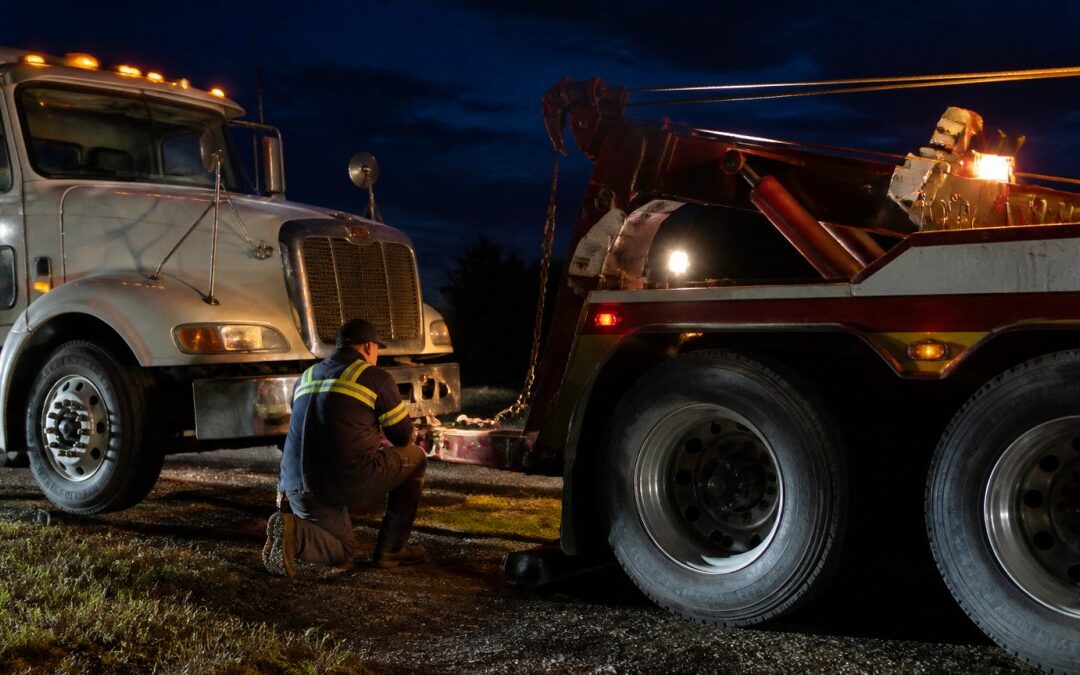
At Fox Recovery, we understand that commercial operations don’t stop. Neither do emergencies. A disabled semi-truck on the interstate during a snowstorm, a rollover accident requiring immediate extraction, a fleet vehicle stranded at a loading dock, these situations demand instant response from operators who know how to handle heavy equipment safely.
True 24/7 availability isn’t just a phone line that answers calls. It’s dispatchers trained to assess your situation immediately, recovery technicians positioned to reach you within a predictable timeframe, and equipment staged and ready.
Heavy recovery demands precision. A flatbed tow truck isn’t just transportation, it’s a precision instrument that must secure a 40,000-pound load without shifting, protect high-value drivetrains from damage, and navigate tight recovery angles with skill. When you call for help, you’re not just getting a ride. You’re getting expertise.
24/7 Heavy-Duty Towing for Medium and Heavy Trucks
Heavy-duty towing isn’t the same as standard passenger vehicle recovery. The equipment is different. The techniques are different. The stakes are higher.
Vehicle Classes and Weight Support
Not every tow truck can handle what your operation needs. The trucking industry classifies vehicles by weight class, and recovery capability must match or exceed those classifications.
Heavy-duty recovery equipment, the kind Fox Recovery operates, manages vehicles weighing 25,000 pounds and beyond, including full-size semi-trucks, buses, and commercial haulers.
Weight capacity matters because underpowered equipment creates problems. When you’re dealing with a disabled 18-wheeler or a bus carrying passengers, you need recovery equipment that’s rated for that load.
Flatbed Equipment and Safe Transport
Flatbed towing is the gold standard for protecting vehicles during transport. Unlike traditional hook-and-chain methods that can damage bumpers and suspension, flatbed equipment cradles the entire vehicle on a level platform.
Fox Recovery operates state-of-the-art 19-foot and 21-foot flatbeds designed specifically for safe, secure transport. These aren’t generic cargo platforms. They’re engineered for vehicle recovery.
For high-value vehicles, fleet trucks, or any situation where drivetrain protection matters, flatbed transport eliminates the risk that comes with traditional towing. The vehicle sits level, supported across its entire wheelbase. No dragging. No suspension stress. No hidden damage discovered after delivery.
Heavy-Duty Towing Response Time and Dispatch Process
Availability means nothing if response takes three hours. Real 24/7 service includes realistic response-time expectations and a dispatch process designed for speed.
When you call for heavy recovery assistance, here’s what the dispatch process should look like:
First, the dispatcher gathers critical information: your location, vehicle type and weight, the nature of the problem (breakdown, accident, recovery extraction), and any immediate safety hazards. This takes 2-3 minutes and determines which recovery unit gets dispatched.
Second, the closest available unit receives the call with full details. GPS tracking lets dispatchers see real-time unit locations, so they’re routing the nearest qualified team, not the one that happens to be free.
Third, the operator en route provides an ETA and may ask clarifying questions about road conditions, weather, or access challenges. A professional recovery team doesn’t just show up; they show up prepared.
What matters is that the dispatcher gives you an honest ETA, not a guess, and the team arrives equipped to handle your specific situation.
Emergency Roadside Assistance for Trucks
Roadside emergencies for trucks go beyond standard breakdowns. A blown tire on a semi-trailer isn’t just inconvenient, it’s a safety hazard for the driver and other motorists. A mechanical failure on I-90 during rush hour creates traffic backup and liability exposure.
Emergency roadside assistance for trucks includes several critical services:
Immediate stabilization: The first priority is safety. If your truck is disabled in a travel lane, the recovery team positions warning triangles, activates hazard lights, and moves the vehicle to a safe location (shoulder, off-ramp, parking area) before any repair attempts.
Tire and mechanical triage: Many roadside issues are repairable on-site. A blown tire might be swapped with a spare. An alternator failure or fuel pump issue might be diagnosed and fixed without towing. Not every breakdown requires a full recovery, sometimes prompt roadside assistance solves the problem in 30 minutes.
Fuel delivery and lockout service: Ran out of fuel? Locked yourself out of the cab? These common issues have quick solutions that keep you moving without a full tow.
Towing when necessary: If the problem requires shop-level diagnostics or parts replacement, the recovery team secures your truck safely on a flatbed and transports it to a certified repair facility.
The key difference between standard roadside assistance and heavy-truck assistance is equipment and expertise. Your truck needs operators who understand air brakes, diesel engines, trailer connections, and the unique weight-distribution challenges of commercial vehicles.
Commercial Truck Breakdown Service Options
Commercial fleets have different needs than individual vehicle owners. A single breakdown might mean lost revenue, missed deliveries, and contractual penalties. That’s why commercial truck breakdown services are built around fleet priorities: rapid response, minimal downtime, and coordination with dispatch systems.
Fleet Support and Preferred Pricing
Fleets that contract for ongoing heavy recovery support typically negotiate preferred pricing and priority dispatch. Instead of paying per-incident rates, a fleet agreement might include:
- Dedicated dispatch line with priority queuing
- Negotiated rates for different service types (towing, roadside repair, specialty recovery)
- Monthly invoicing instead of per-call charges
- Performance guarantees around response time
- Coordination with fleet management systems so dispatchers know vehicle locations and service history
More importantly, they establish a relationship with the recovery provider, so operators recognize the tow truck when it arrives and trust the team handling their equipment.
Fox Recovery specializes in fleet support for medium and heavy-duty operations, with certified operators trained on the specific equipment and protocols your fleet uses.
Private Property and Lot Towing
Not all recovery happens on public roads. Property managers, dealerships, and commercial facilities often need private property towing for abandoned vehicles, illegally parked cars, or equipment repositioning.
Private property towing has different legal requirements than roadside recovery. The property owner must authorize the tow, and specific notice procedures must be followed depending on jurisdiction. A professional recovery provider understands these regulations and handles the paperwork correctly.
Common private property scenarios include:
- Dealership transport: Moving vehicles between lots, showrooms, or auction facilities
- Abandoned vehicle removal: Clearing long-term parked vehicles from commercial lots
- Equipment repositioning: Moving heavy machinery or inoperable equipment within a facility
- Illegal parking enforcement: Removing vehicles parked in reserved or restricted spaces
For dealerships and collectors handling high-value inventory, private property towing with flatbed equipment ensures vehicles arrive without damage or liability exposure.
Specialty Recovery: Winching, Extraction, and Accident Response
Standard towing handles vehicles that can be loaded onto a flatbed. Specialty recovery handles situations where the vehicle is stuck, overturned, or inaccessible.
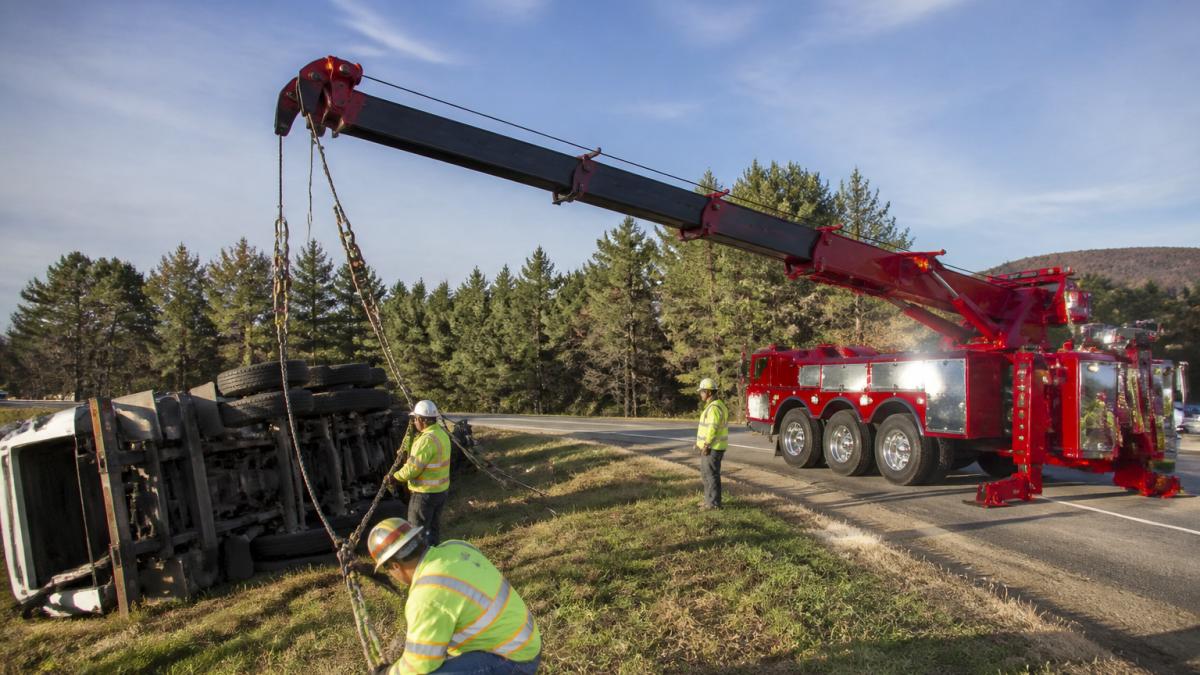
Winching and extraction require different equipment and techniques. These situations demand specialized equipment and operators trained in load angles, anchor points, and extraction sequencing.
Accident response adds another layer. A multi-vehicle collision on the highway isn’t just about towing cars. It’s about scene safety, coordinating with emergency responders, managing traffic flow, and extracting vehicles in an order that doesn’t cause secondary damage.
Specialty recovery is where certification and experience separate professional operators from inexperienced ones.
Verification, Certification, and Safety Standards
When you call a recovery service, you’re trusting them with expensive equipment and potentially dangerous situations. How do you verify they’re actually qualified?
Licensing and certification: Professional recovery operators must be licensed by their state. In most jurisdictions, this requires passing a written exam on safety procedures, equipment operation, and legal requirements. Fox Recovery operators are fully certified and licensed, with credentials verified and renewed regularly.
Equipment inspection: Heavy-duty flatbeds and recovery rigs must pass safety inspections. Hydraulic systems, tie-down hardware, electrical systems, and structural integrity are all tested regularly. A professional provider maintains detailed maintenance records and can show proof of current inspections.
Insurance and bonding: Legitimate recovery providers carry liability insurance covering damage to customer vehicles and property. They’re bonded, meaning they’ve posted financial guarantees backing their work. If something goes wrong, you have recourse.
Training and continuing education: Recovery operators should have formal training on equipment operation, safety procedures, and customer communication. Many belong to industry organizations like the Towing and Recovery Industry Association (TRIA), which sets standards and provides ongoing education.
Ask potential recovery providers for proof of licensing and current insurance certificates.
How to Request 24/7 Heavy Recovery Assistance
When you need help, the process should be simple and fast.
Call immediately: Have the recovery provider’s number saved in your phone. At Fox Recovery, call (847) 587-6076 anytime, 24 hours a day, 365 days a year. The dispatcher answers and begins gathering information.
Provide key details: Your location (specific mile marker, intersection, or address), vehicle type and weight, the nature of the problem, and any immediate hazards (fuel leak, smoke, injured parties). Be as specific as possible, “disabled semi on I-90 eastbound, mile marker 42, right shoulder” is better than “broken down on the highway.”
Confirm ETA: The dispatcher provides an honest arrival estimate. If conditions change (weather, traffic, multiple calls ahead), the operator will update you. Stay on the line or provide a callback number.
Stay safe: If you’re on a busy highway, stay inside the vehicle with hazard lights on. If there’s immediate danger (fire, fumes), exit safely and move away from traffic. The recovery team will handle the vehicle once they arrive.
Document the situation: If possible, take photos of the vehicle’s position, any visible damage, and the surrounding area. This helps with insurance claims and provides the recovery team with useful context.
| Service Type | Best For | Response Expectation |
|---|---|---|
| 24/7 Heavy-Duty Towing | Medium and heavy trucks, commercial vehicles | 30-60 minutes depending on distance |
| Emergency Roadside Assistance | Tire, fuel, lockout issues | 30-45 minutes for on-site repair |
| Specialty Recovery | Winching, extraction, accident scenes | 45-90 minutes for complex scenarios |
| Fleet Support | Ongoing commercial operations | Priority dispatch with negotiated rates |
| Private Property Towing | Dealerships, lots, abandoned vehicles | 30-60 minutes with proper authorization |
When a heavy truck breaks down, you need a recovery partner who understands the equipment, responds immediately, and handles your vehicle with precision. Fox Recovery provides 24/7 heavy recovery service availability with fully certified operators, state-of-the-art flatbed equipment, and expertise in handling medium and heavy-duty vehicles. Whether you’re managing a commercial fleet, operating a dealership, or facing an emergency roadside situation, we’re ready to help. Call (847) 587-6076 for immediate assistance, and experience the difference professional heavy recovery makes.
Frequently Asked Questions
What does 24/7 heavy-duty recovery service include?
24/7 heavy-duty recovery service covers towing and recovery for medium and heavy trucks, buses, and commercial vehicles at any time, day or night. Services include roadside assistance, winching and vehicle extraction from ditches or accident scenes, safe flatbed transport using state-of-the-art equipment, and professional incident-scene coordination. Certified and licensed operators handle all recovery work to protect your vehicle and ensure safe delivery.
How quickly can a heavy-duty towing response time be expected?
Response times depend on your location, current call volume, and distance from the nearest dispatch unit. When you call for help, provide your exact location and vehicle details so dispatch can assess the situation and send the appropriate recovery equipment. Always confirm expected arrival time with the operator when you place your call.
Can I get emergency roadside assistance for trucks in the middle of the night?
Yes. 24/7 availability means emergency roadside assistance for trucks is available around the clock, including nights, weekends, and holidays. Fully certified operators are on standby to respond to breakdowns, accidents, or recovery needs whenever you need them. Call immediately when your truck breaks down or is involved in an incident, and dispatch will send a recovery unit based on your location and the type of assistance required.
What information should I provide when requesting truck recovery?
When you call for commercial truck breakdown service, be ready to provide your exact location (mile marker, road name, or intersection), vehicle type and weight class, the nature of the problem (mechanical failure, accident, rollover), whether the truck is loaded or empty, and any hazardous materials involved. If you’re at an accident scene, note whether emergency services have been called and the number of vehicles involved. Clear details help dispatch send the right equipment and operators for your specific situation.